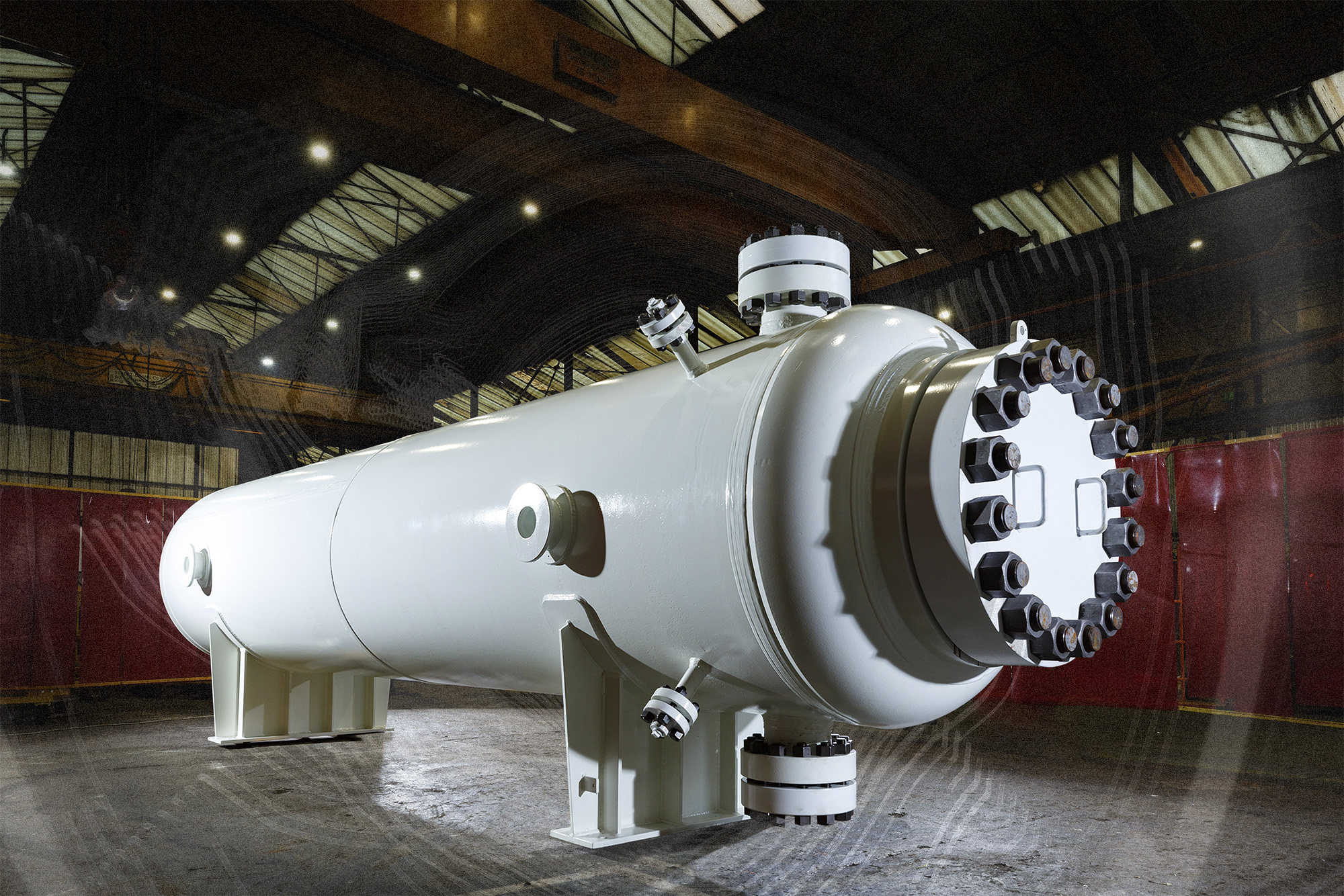

In the global effort to combat climate change, hydrogen has emerged as a critical component of the energy transition. Dubbed the “fuel of the future,” hydrogen offers a versatile, clean energy solution that complements renewable sources like wind and solar.
Its ability to store and transport energy makes it a linchpin in creating a sustainable, low-carbon energy system. But transitioning to a hydrogen-based economy requires significant advancements in production, storage, distribution, and utilisation systems.
This blog will explore hydrogen’s growing importance, the technological innovations driving its adoption, and the challenges that must be overcome to fully integrate hydrogen into the clean energy landscape.
Understanding Hydrogen’s Potential in Clean Energy
Hydrogen is the most abundant element in the universe, yet it doesn’t exist in pure form naturally on Earth and must be extracted. Its appeal lies in its versatility: it can be used as a fuel for vehicles, a feedstock for industrial processes, and a means to store renewable energy. When used, hydrogen emits only water vapour, making it a zero-emission energy carrier.
Key Applications of Hydrogen
1.
Transportation
Hydrogen fuel cells power vehicles without emitting pollutants, offering a cleaner alternative to fossil fuels.
2.
Industry
Hydrogen is used in steel production, ammonia synthesis, and refining processes, with green hydrogen (produced using renewable energy) being an emerging substitute for carbon-intensive methods.
3.
Energy Storage
Hydrogen can store surplus electricity from renewable sources and be converted back into electricity during peak demand.
4.
Grid Balancing
Hydrogen provides a means of balancing the intermittency of wind and solar power by acting as a long-term storage medium.
The Path to Green Hydrogen
Hydrogen is classified by colour codes based on its production method:
Grey Hydrogen
Produced from natural gas, emitting significant CO₂.
Blue Hydrogen
Also derived from natural gas but incorporates carbon capture and storage (CCS) to reduce emissions.
Green Hydrogen
Produced via electrolysis powered by renewable energy, resulting in zero emissions.
Green hydrogen is the ideal choice for a sustainable future, but its production is currently expensive and energy intensive. Electrolysis technologies, particularly proton exchange membrane (PEM) and alkaline electrolysis, are at the forefront of making green hydrogen more cost-effective.
Innovations in Green Hydrogen Production
Advanced Electrolysers: Modern electrolysers are more efficient, compact, and scalable, reducing energy consumption and costs.
Integrated Renewable Systems: Direct coupling of electrolysers with solar and wind farms minimises transmission losses and enhances efficiency.
Decentralised Production: Small-scale production units enable localised hydrogen generation, reducing transportation needs.
Hydrogen Storage and Distribution Challenges
Storage and distribution remain significant bottlenecks in the hydrogen economy. Hydrogen is a lightweight but low-density gas, requiring compression, liquefaction, or chemical binding for efficient storage.
Current Storage Solutions
1.
Compressed Hydrogen
Stored at high pressures (350–700 bar) in specialised tanks.
2.
Liquid Hydrogen
Stored at cryogenic temperatures (-253°C) for higher energy density.
3.
Chemical Carriers
Hydrogen is stored in liquid organic hydrogen carriers (LOHCs) or ammonia, which can be transported more easily and reconverted to hydrogen.
Innovations in Hydrogen Storage
a)
Metal Hydrides
These compounds absorb and release hydrogen, offering a safe and compact storage method.
b)
Advanced Materials
Lightweight composite materials improve the safety and efficiency of hydrogen tanks.
c)
Modular Systems
Scalable storage systems facilitate adoption across industries, from small-scale users to large energy utilities.
For distribution, pipelines, trucks, and ships are being adapted for hydrogen. Retrofitting existing natural gas pipelines to transport hydrogen is a cost-effective option being explored globally.
The Role of Power-to-X in Hydrogen’s Integration
Power-to-X (P2X) refers to converting renewable electricity into other forms of energy, such as hydrogen, synthetic fuels, or ammonia. Hydrogen acts as the primary intermediary in these processes, enabling renewable energy to power sectors that are otherwise difficult to decarbonise.
Examples of Power-to-X Applications
Power-to-Fuel: Converting hydrogen and CO₂ into synthetic fuels for aviation and shipping.
Power-to-Ammonia: Using green hydrogen to produce ammonia, a key agricultural input and potential marine fuel.
Power-to-Chemicals: Replacing fossil fuels in chemical production with hydrogen-based alternatives.
P2X technologies are pivotal in extending the reach of renewable energy beyond electricity generation, making it feasible to achieve deep decarbonisation across all sectors.
Grid Integration and Energy Resilience
Hydrogen’s role extends beyond serving as a fuel or feedstock – it is also a vital tool for enhancing energy resilience. By converting surplus renewable energy into hydrogen, energy systems can maintain stability and supply during periods of low renewable generation or high demand.
Hydrogen in Grid Applications
1.
Energy Storage
Large-scale hydrogen storage can act as a buffer for seasonal energy imbalances.
2.
Fuel Cells
Hydrogen fuel cells generate electricity with high efficiency and zero emissions, providing backup power for critical infrastructure.
3.
Sector Coupling
Hydrogen enables the integration of power, heat, and transportation sectors, creating a cohesive and flexible energy system.
Innovative projects, such as the deployment of hydrogen-based microgrids, demonstrate how hydrogen can support grid stability and reliability in a decentralised energy landscape.
Challenges to Overcome
Whilst hydrogen presents tremendous opportunities, significant challenges must be addressed to unlock its full potential.
Green hydrogen must become cost-competitive with fossil fuels and grey hydrogen. Infrastructure development is another – widespread adoption requires investment in production, storage, and distribution. Clear and supportive policies are needed to encourage investment and innovation in the hydrogen sector, and public acceptance also has a role to play – educating stakeholders and the public about hydrogen’s safety and benefits is crucial for widespread adoption.
Collaborative efforts between governments, private industries, and research institutions are essential to overcoming these hurdles. CESPA (Clean Energy Systems Partner Alliance) is a pioneering collaboration between industry leaders and has these challenges front and centre of its manifesto and mission. The importance of collaboration in accelerating the development of clean energy systems and equipment can not be overstated.
Leading Hydrogen Projects
1.
Europe’s Hydrogen Strategy
The European Union has outlined ambitious plans to produce 10 million tons of green hydrogen annually by 2030. Investments in hydrogen valleys and cross-border pipeline projects are key elements of this strategy.
2.
Australia’s Hydrogen Export Hub
Leveraging abundant renewable resources, Australia aims to become a leading exporter of green hydrogen, supplying energy to Asia and Europe.
3.
Hydrogen-Powered Transportation
Companies like Toyota and Hyundai are advancing fuel cell vehicles, while aviation leaders like Airbus are developing hydrogen-powered planes.
Building a Hydrogen-Powered Future
Hydrogen’s versatility and zero-emission profile make it indispensable in the transition to a sustainable energy future. By integrating hydrogen systems into energy grids, industries, and transportation, we can significantly reduce carbon emissions and enhance energy resilience. However, achieving this vision requires technological advancements, robust infrastructure, and strong policy support.
The road to a hydrogen economy is challenging but achievable. With coordinated global efforts, hydrogen can play a transformative role in creating a cleaner, greener, and more sustainable world.

Sources
- International Renewable Energy Agency (IRENA)
- Hydrogen Council Reports
- European Commission Hydrogen Strategy
- Renewable Energy World Articles
- Industry Case Studies from the International Energy Agency (IEA)